Shop by concern

Skincare for redness and rosacea-prone skin

Redness is skin telling you it is inflamed. The answer is rarely another active; it is removing what irritates and adding what calms. IKI’s redness routine uses the ingredients with the best evidence for calming (Centella asiatica, colloidal oatmeal, niacinamide) in formulas with no synthetic fragrance, sulfates or drying alcohol.

90%

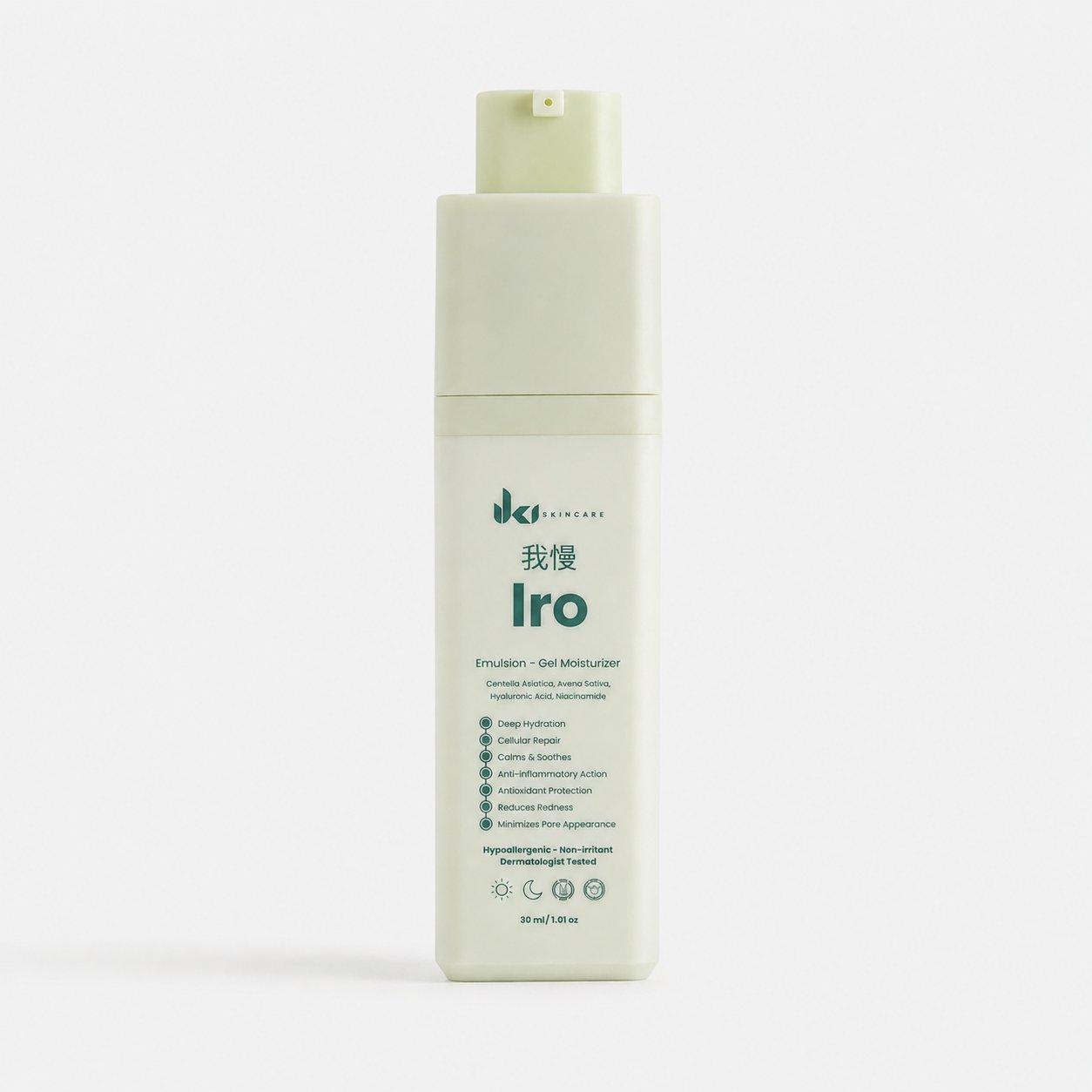
of 49 people with sensitive skin said their skin felt calmed and soothed after 30 days with Iro. See the study.

A river stone in a bowl of still water with a centella leaf

The calming routine

Two steps, morning and night. Add sunscreen in the morning. Nothing else until the redness settles.

What causes facial redness

Persistent redness usually has one of four causes: a damaged skin barrier (from over-cleansing, exfoliation or actives), rosacea, contact irritation from fragrance or essential oils, or heat and sun. The first three respond to the same approach: stop the irritant, cleanse gently, calm and hydrate, protect from sun. Rosacea additionally benefits from medical treatment, so see a dermatologist if redness comes with visible vessels, bumps or flushing that lasts.

Ingredients that calm, with evidence

  • Centella asiatica: reduces inflammatory signalling and supports repair; the basis of most "cica" products.
  • Colloidal oatmeal: anti-itch avenanthramides; recognized by the FDA as a skin protectant.
  • Niacinamide: strengthens the barrier and reduces redness at 2% to 5%.
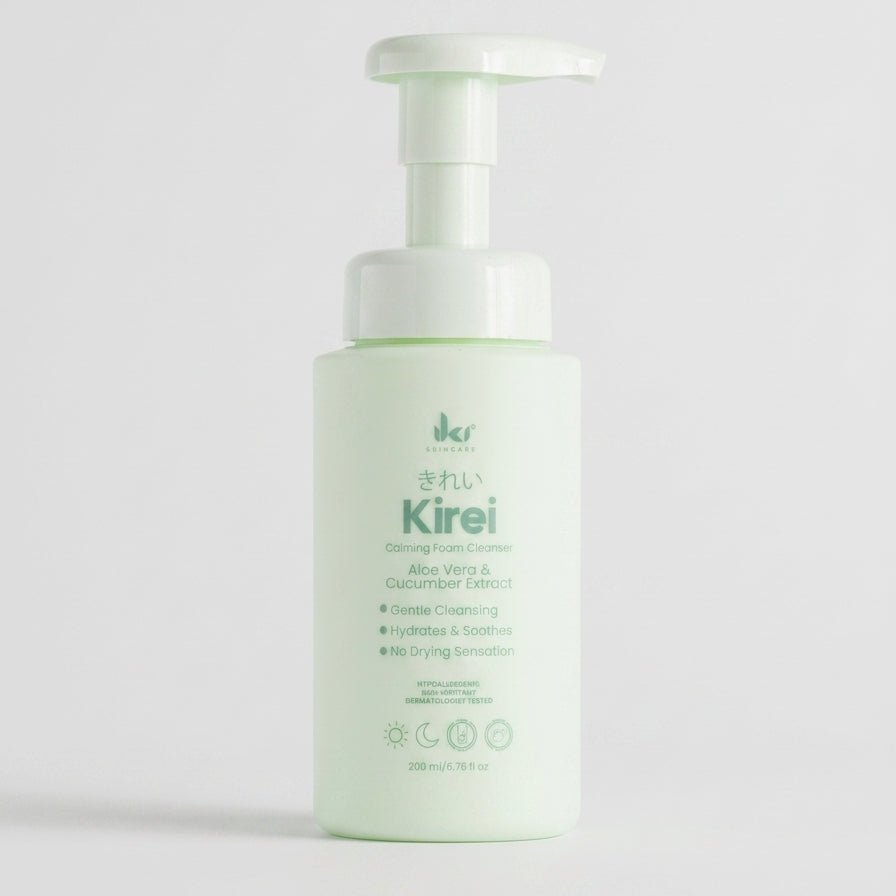
  • Aloe and cucumber in the cleanser: cooling and soothing while you wash.

What to avoid while skin is red

Hot water, physical scrubs, acids, retinoids, high-strength vitamin C, fragranced products and long hot showers. Reintroduce actives only after two calm weeks, one at a time. Nihon (gentle vitamin C) is usually the first that redness-prone skin tolerates; Kido and Izumi come later.

Frequently asked questions

Which IKI products help with redness?

Kirei and Iro. Both were tested on sensitive skin: 92% of Kirei’s study participants said it did not cause irritation and 90% of Iro’s said their skin felt calmed and soothed.

Is IKI suitable for rosacea?

The routine is built on the principles dermatologists recommend for rosacea-prone skin: gentle cleansing, calming hydration, no fragrance, daily sunscreen. It is not a rosacea treatment; use it alongside your dermatologist’s plan.

Can I use vitamin C if my skin is red?

Not pure L-ascorbic acid, which needs a low pH. Once the redness has settled for two weeks, sodium ascorbyl phosphate (Nihon) is the gentle form to try first.

How long until redness improves?

With irritants removed, most people see less flushing and stinging within one to two weeks and visibly calmer skin in four to six. Persistent redness after that deserves a dermatologist visit.