Know your skin better.
Education is part of the ritual. Because skin you understand is skin you can care for.
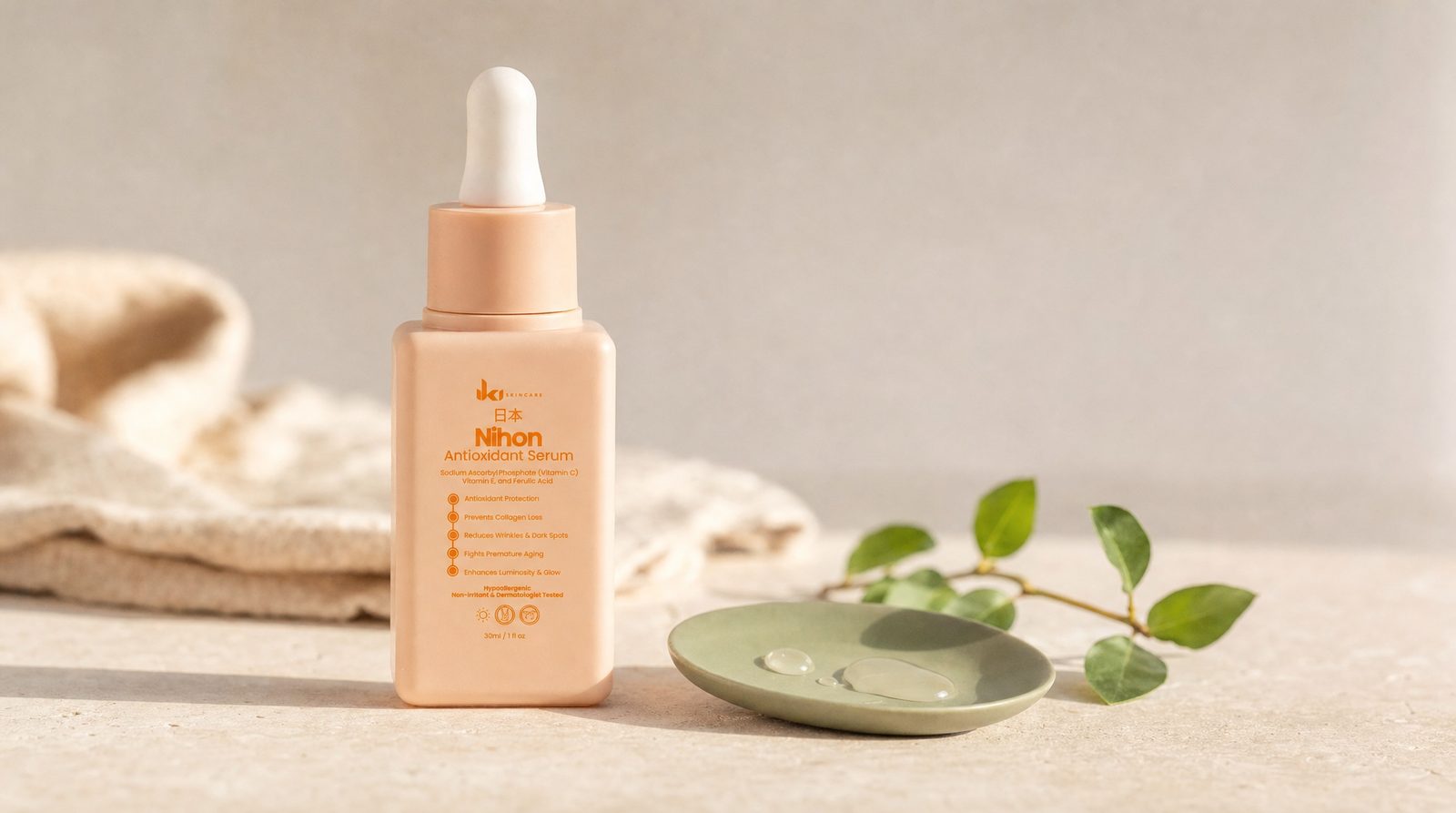
Vitamin C for Sensitive Skin: Why Sodium Ascorbyl Phosphate Instead of L-Ascorbic Acid
Vitamin C is one of the best-studied antioxidants in skincare, and one of the most common reasons sensitive skin stings. The problem is usually the form, not the vitamin. Here is why a stable derivative like sodium ascorbyl phosphate works better for reactive skin, and how to start.
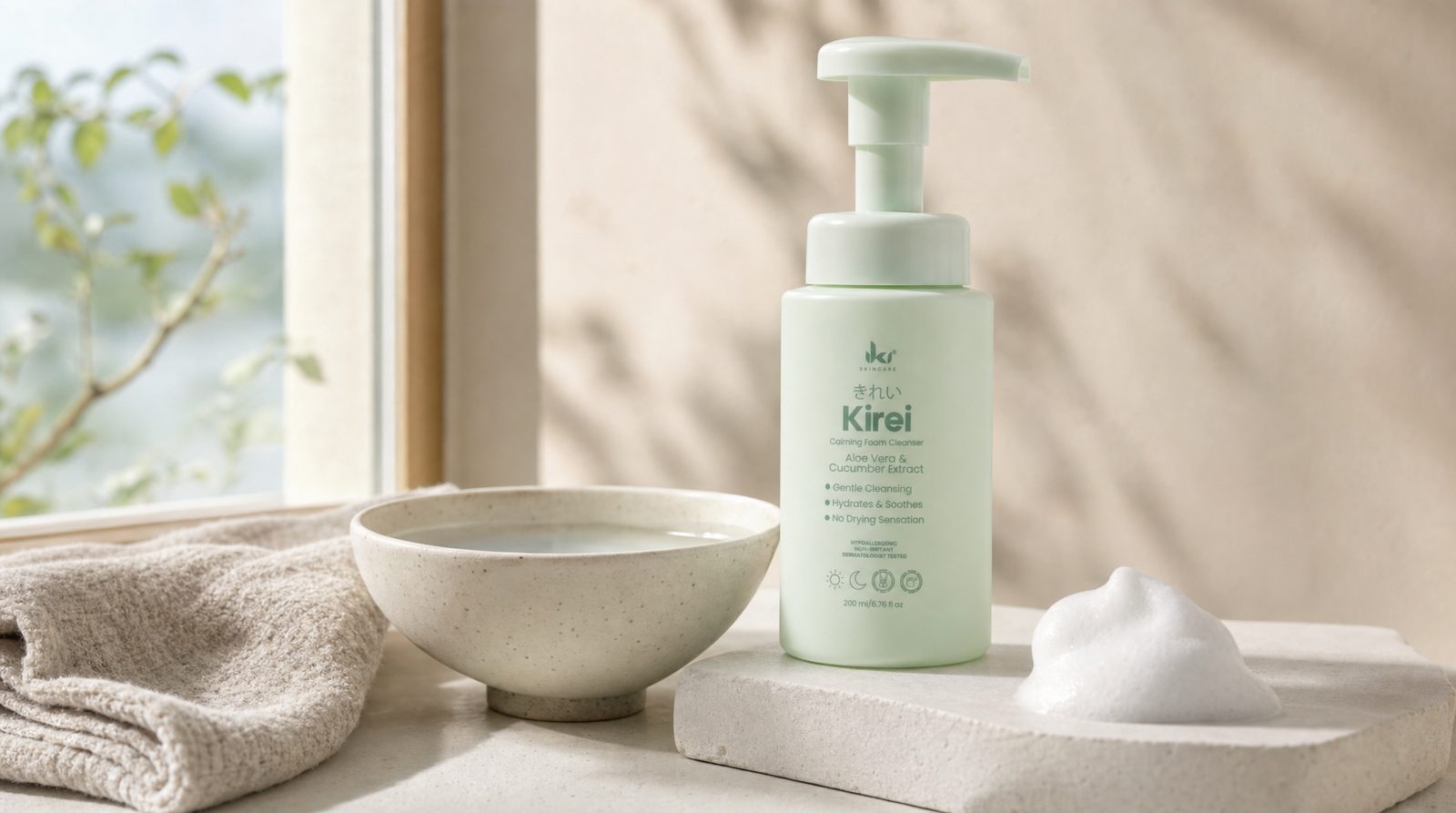
The Best Cleanser for Sensitive Skin: What to Look For (and What to Avoid)
There is no single best cleanser for sensitive skin, but there is a clear checklist: sulfate-free, pH around 5.5, fragrance-free or close to it, short ingredient list. Here is how to read a label, and an honest look at Kirei, CeraVe, La Roche-Posay and Vanicream.
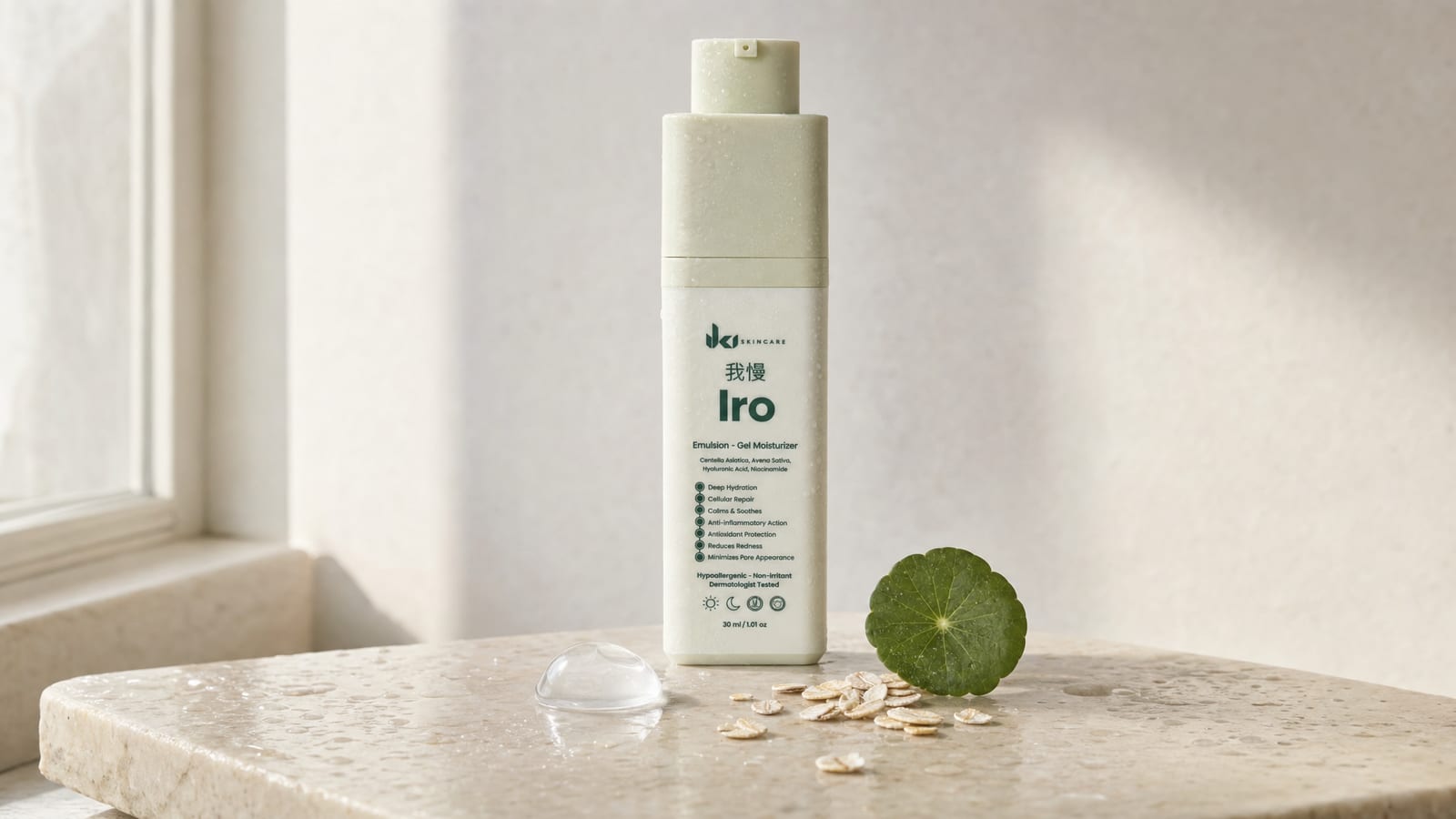
How to Repair a Damaged Skin Barrier (and How Long It Really Takes)
The signs your barrier is damaged, the five things to stop doing today, what to use instead, and a realistic timeline: most people feel calmer skin in 1–2 weeks and see it in 4–6.
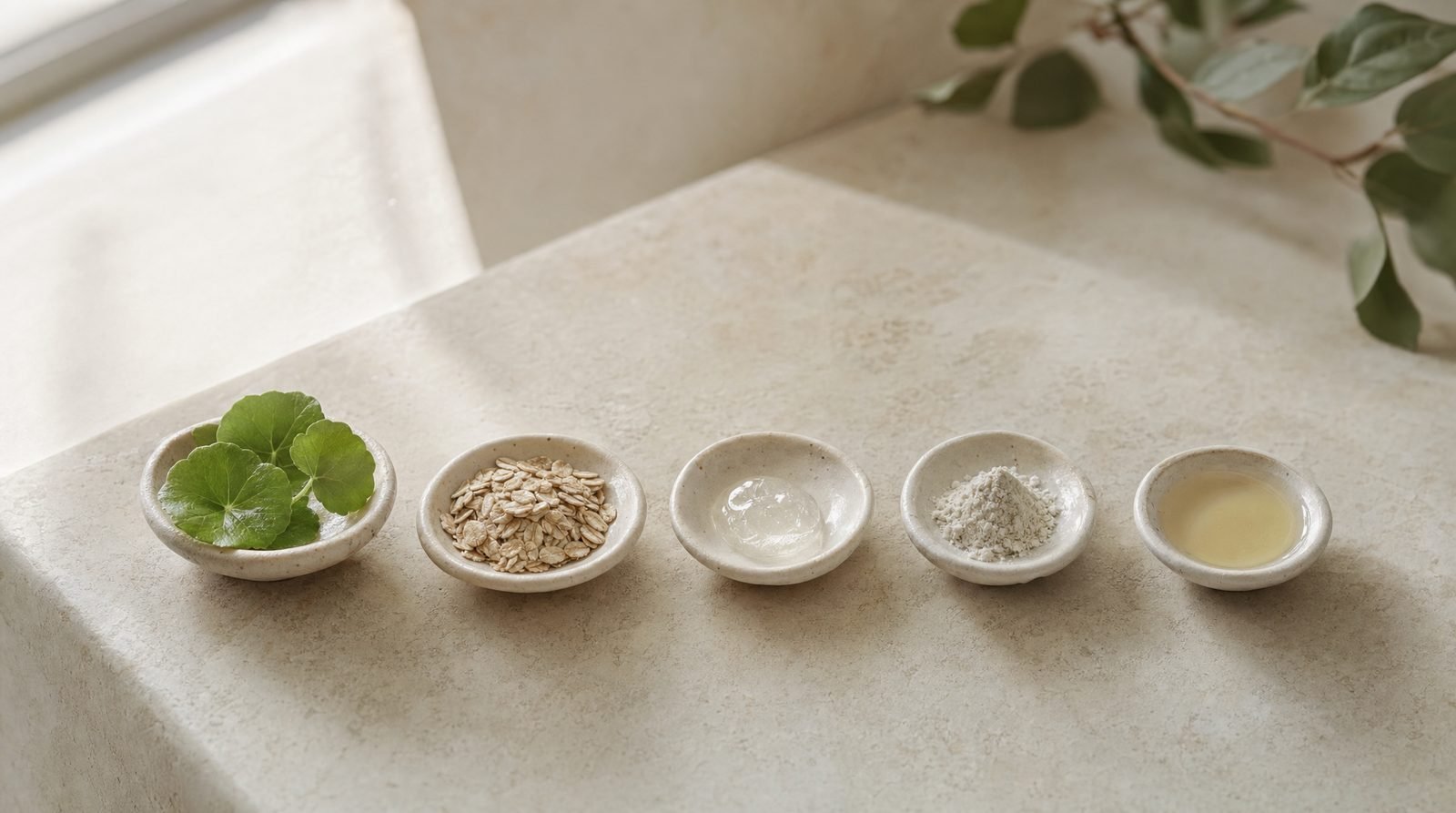
The Best Ingredients for Sensitive Skin (and the 5 to Avoid)
A short, honest guide to the ingredients that calm sensitive skin, with the evidence behind each, the five ingredients most likely to cause a reaction, and what "fragrance-free" really means on a label.
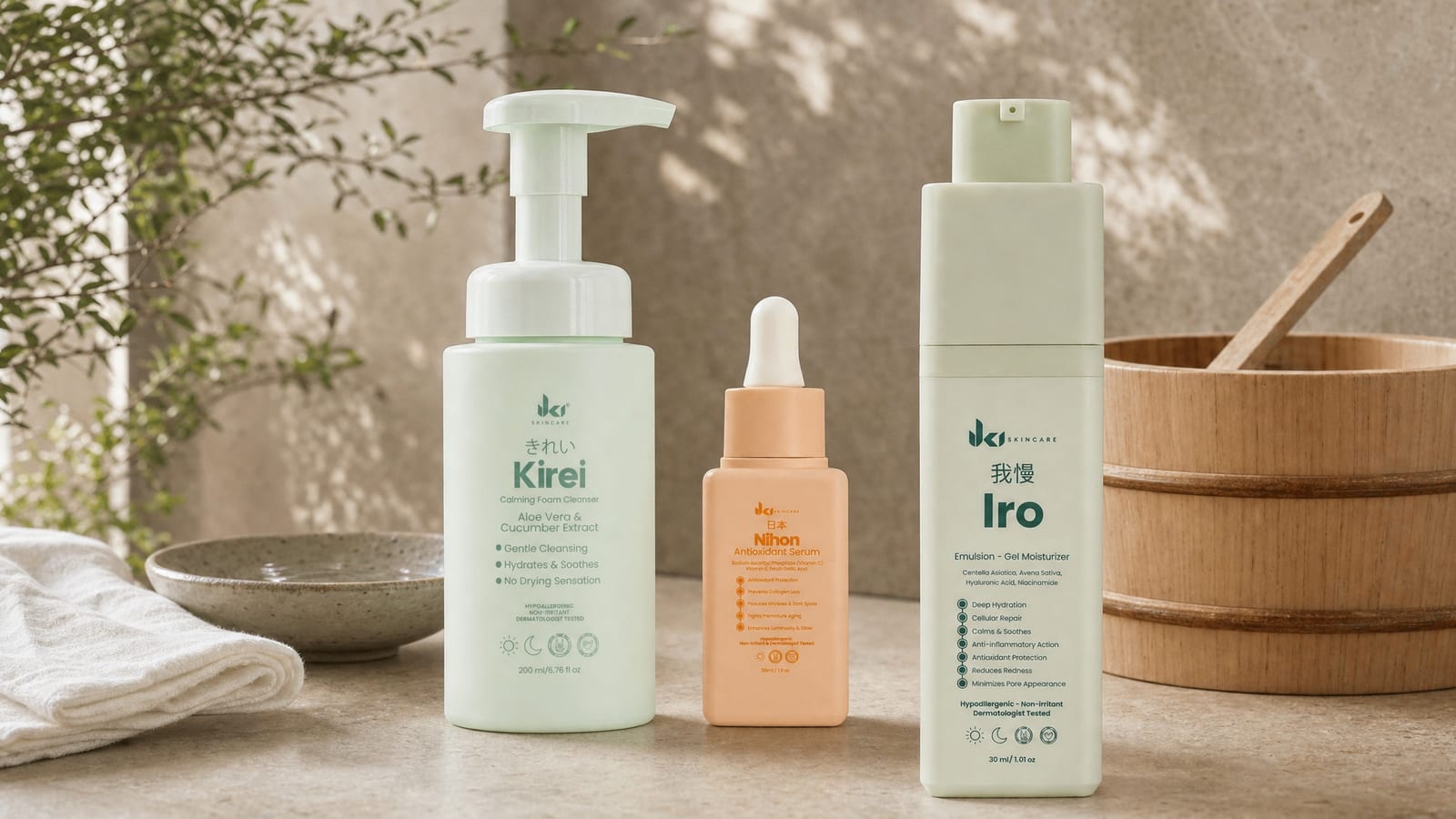
The Japanese Skincare Routine: Ritual, Not Regimen (and How It Differs From Korean Skincare)
What a Japanese skincare routine actually looks like, why it favors few steps repeated for years over quick fixes, how it differs from the 10-step Korean approach, and how to begin a ritual of your own.
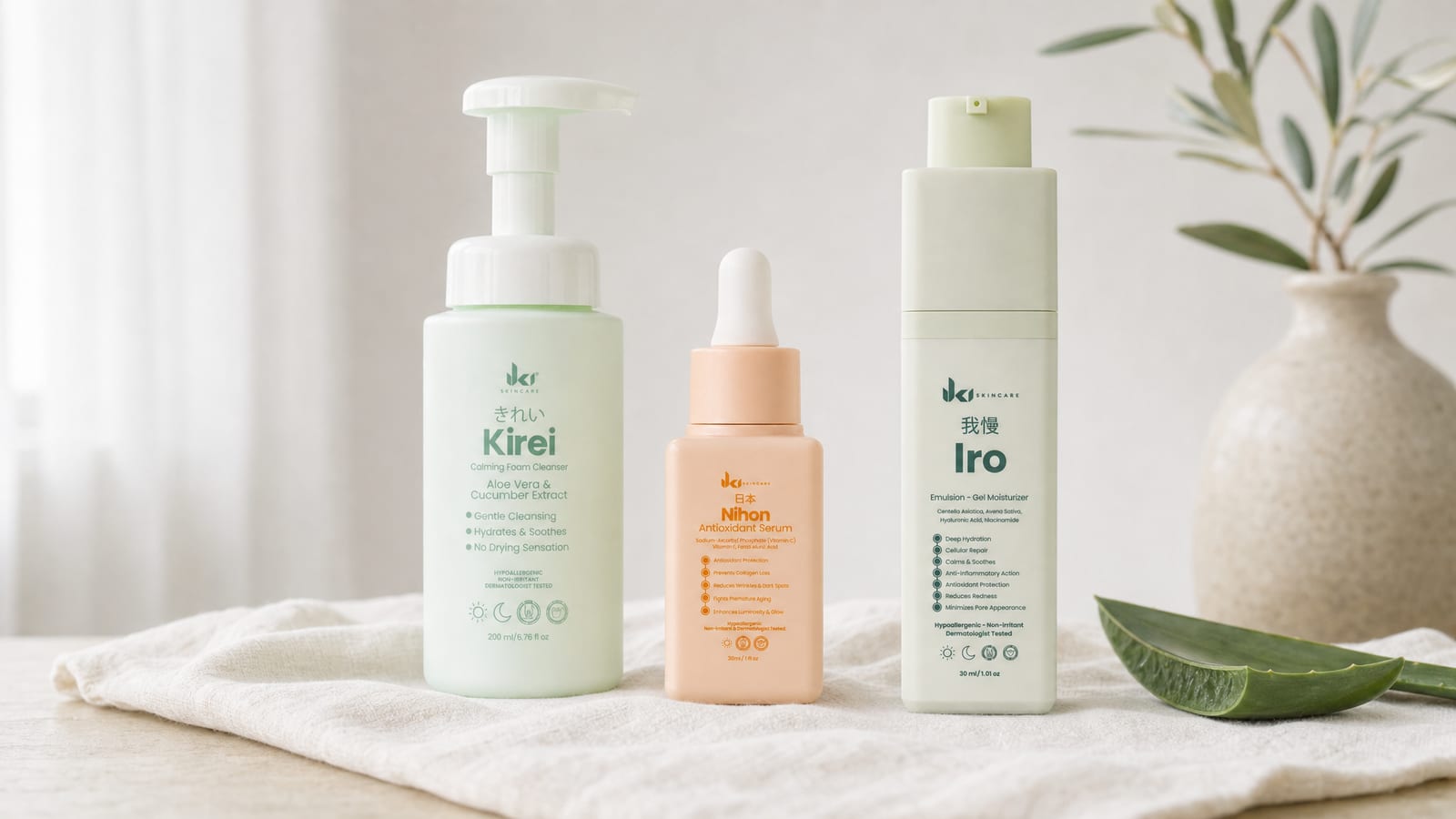
Skincare Routine for Sensitive Skin: The 3 Steps That Work (and What to Leave Out)
The best skincare routine for sensitive skin has three steps, not ten: a pH-balanced cleanser, a barrier-supporting moisturizer and sunscreen. How to build it, how to add actives without a flare-up, and what to stop doing.
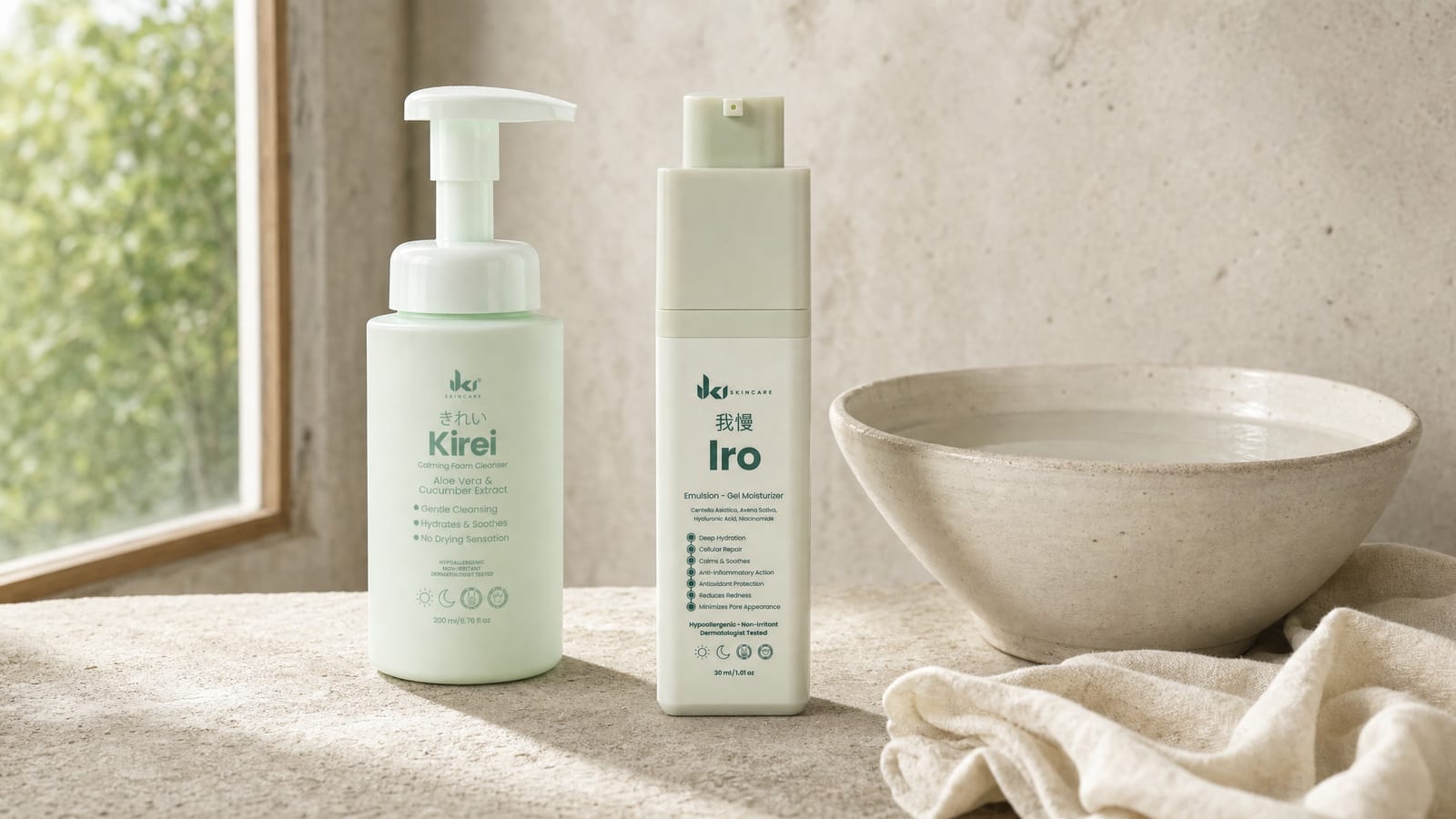
A Simple Skincare Routine: Why 3 Steps Beat 10 (and How to Build Them)
A simple skincare routine is cleanse, moisturize, protect. Why the extra steps usually cause the problems they claim to fix, what each of the three products should contain, and how to add more only when your skin is ready.